

Trauma & PTSD
Teen Trauma & PTSD Treatment in Arizona
Trauma can have a lasting impact on a teen’s emotional health, sense of safety, and ability to cope with daily life. Teen Tree provides specialized, trauma-informed mental health treatment for adolescents struggling with trauma or post-traumatic stress disorder (PTSD).
If your teen has experienced a traumatic event and continues to feel overwhelmed or disconnected, compassionate support can make a meaningful difference. Visit our Arizona location today.


How PTSD Can Affect Teens After Trauma
Trauma can change how a teen experiences the world long after the event itself has passed. For some adolescents, the brain and body remain stuck in a state of stress, reacting as if danger is still present even when it’s not. This ongoing stress response can shape behavior, emotions, and physical reactions in ways that are confusing or concerning to families.
PTSD does not look the same in every teen, and symptoms may develop gradually or appear unexpectedly. Common signs that trauma may be affecting a teen include:
- Distressing or intrusive memories that surface without warning
- Nightmares or sleep disturbances related to the traumatic experience
- Strong physical reactions such as panic, nausea, or a racing heart when reminded of the event
- Avoidance of people, places, or situations that feel emotionally triggering
- Emotional withdrawal, numbness, or difficulty experiencing positive feelings
- Loss of interest in friendships, hobbies, or activities once enjoyed
- Heightened startle response or sensitivity to noise and movement
- Irritability, frustration, or sudden emotional outbursts
- Difficulty concentrating, remembering information, or staying focused at school
Profound Healing Begins with Teen Tree
Teens recovering from trauma need an environment where they feel emotionally and physically safe. Teen Tree offers a calm, structured setting in Arizona where adolescents are treated as individuals, not defined by their experiences. Our supportive, close-knit environment allows teens to build trust with a dedicated clinical team while receiving consistent care.
Healing from trauma is not one-size-fits-all. At Teen Tree, treatment plans are personalized, trauma-informed, and paced to meet each teen where they are, helping them regain a sense of stability and control.
Understanding Trauma and PTSD in Teens
Trauma occurs when a teen experiences or witnesses an event that overwhelms their ability to cope. It can result from a single distressing incident or repeated exposure to frightening or stressful situations. When trauma symptoms persist and begin to interfere with daily life, a teen may be experiencing post-traumatic stress disorder (PTSD).
Trauma and PTSD can affect how teens think, feel, and interact with the world around them. Many adolescents struggle to put their experiences into words. They may feel ashamed or fearful of being misunderstood. Without proper treatment, trauma can continue to impact emotional regulation, relationships, academic performance, and overall well-being. However, if they receive trauma-informed care, teens can learn to process their experiences safely and begin moving forward.
Why Some Teens Are More Susceptible to PTSD Than Others
Two teens can experience the same traumatic event and respond very differently. While there is no single cause of PTSD, certain factors can increase a teen’s vulnerability. These are not faults or weaknesses, but circumstances that influence how stress is processed.
- The nature of the trauma: Prolonged, repeated, or physically threatening events often have a greater impact.
- Lack of support after the event: Feeling dismissed or unsupported can complicate recovery.
- Pre-existing mental health challenges: Anxiety, depression, or emotional regulation difficulties can reduce coping capacity.
- A history of trauma: Multiple traumatic experiences may have a cumulative effect.
Understanding these factors helps ensure treatment is appropriately personalized and compassionate.
How Teen Tree Treats Trauma & PTSD
Teen Tree uses a trauma-informed, evidence-based approach designed specifically for adolescents. Treatment focuses on restoring emotional regulation, reducing distressing symptoms, and helping teens rebuild trust in themselves and others. Care plans may include a combination of:
- Individual trauma-focused therapy
- Cognitive Behavioral Therapy (CBT)
- Dialectical Behavior Therapy (DBT)
- Trauma-informed care practices
- Family therapy and caregiver support
- Experiential and creative therapies
- Academic and school coordination
- Medication management when appropriate
- Case management and aftercare planning
Your teen doesn’t have to face this alone. We’re here to help.
Talk with our admissions team today and take the first step toward healing and hope.
FAQs
What is the difference between trauma and PTSD in teens?
Trauma refers to a distressing event that overwhelms a teen’s ability to cope. PTSD may develop when trauma-related symptoms continue long after the event and begin interfering with daily life. Not every teen who experiences trauma develops PTSD, but ongoing emotional distress can signal the need for professional support.
What are common signs of trauma in teenagers?
Teens affected by trauma may experience nightmares, intrusive memories, emotional withdrawal, irritability, or difficulty concentrating. Some may avoid reminders of the event or appear constantly tense or on edge. When these patterns persist, a professional evaluation can help determine if trauma-focused treatment is needed.
What therapies are used to treat PTSD in teens?
Treatment often includes trauma-informed approaches such as Trauma-Focused Cognitive Behavioral Therapy (TF-CBT), Cognitive Behavioral Therapy (CBT), and Dialectical Behavior Therapy (DBT). These therapies help teens process traumatic experiences while building coping skills and emotional regulation.
How long does trauma treatment typically take?
The length of treatment varies depending on the teen’s symptoms, the nature of the trauma, and their progress in therapy. Some adolescents benefit from short-term stabilization, while others may need longer residential treatment or continued support to fully process traumatic experiences.
Can trauma affect a teen’s behavior and school performance?
Yes. Trauma can influence mood, concentration, memory, and emotional regulation. Teens may struggle with schoolwork, withdraw from relationships, or lose interest in activities they once enjoyed. Addressing trauma through therapy can help restore stability and improve daily functioning

Support for Trauma Recovery Starts Here
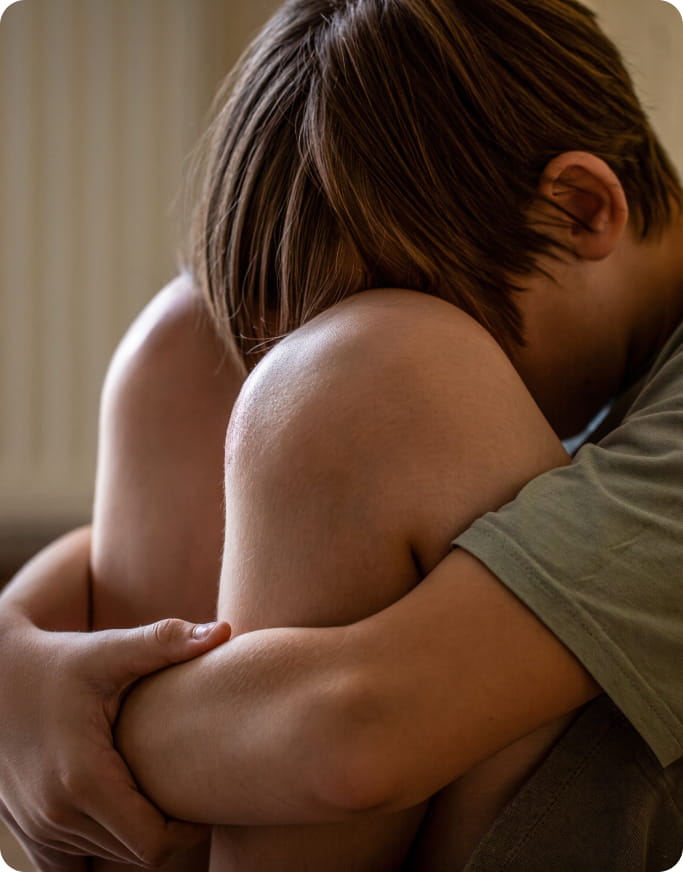
Seeing your teen struggle with the effects of trauma is deeply upsetting, but healing is possible with the right support. Teen Tree in Arizona is here to partner with your family through compassionate, individualized care designed to help teens feel safe, supported, and hopeful again.
If your teen is showing signs of trauma or PTSD, we encourage you to reach out today. Our team is available to answer your questions, discuss treatment options, and help you schedule an appointment.