

Anxiety
Teen Anxiety Treatment in Arizona
Anxiety can show up in the form of worry, fear, or persistent “what if…” thoughts. For teens, these feelings can interfere with daily life, school, friendships, and family relationships. At Teen Tree, we provide compassionate, individualized anxiety treatment designed to help adolescents understand their emotions, manage intense feelings, and develop confidence and resilience.
If anxiety is affecting how your teen functions day to day, guidance and encouragement are within reach. Contact our Arizona specialists today.


What Anxiety Looks Like in Teens
Anxiety isn’t just “being nervous.” It often shows up emotionally, behaviorally, and physically, affecting how teens think, feel, and interact with the world. Some common signs include:
- Excessive worry or persistent fear
- Irritability, restlessness, or being “on edge.”
- Avoidance of people or situations once enjoyed
- Trouble concentrating or completing schoolwork
- Changes in sleep, appetite, or energy
- Physical symptoms like headaches, stomachaches, or muscle tension
- Difficulty sleeping or frequent nighttime waking
Helping Arizona Teens Regain a Sense of Calm
When anxiety makes the world feel overwhelming or unsafe, teens need a peaceful, supportive environment where they can learn to feel secure again. Teen Tree offers an empathetic, structured setting in Arizona where adolescents are treated as unique individuals, not just as symptoms on a checklist. Our experienced clinicians work with each teen to create a personalized care plan that targets the root causes of anxiety and builds real-world coping skills.
Here, teens gain tools to manage fear and worry, strengthen self-confidence, and find steadiness in times of stress, all in a setting where they feel seen, heard, and respected.
Types of Anxiety Teens May Experience
Anxiety can look different depending on the teen and the situation. Some of the more common forms of anxiety teens may face include:
Generalized Anxiety Disorder (GAD)
Persistent and excessive worry about a range of topics, including school, family, friendships, safety, performance, even when there is no clear reason for concern. Teens with GAD may find it hard to “turn off” their worry.
Social Anxiety Disorder
Intense fear or avoidance of social situations due to worry about being judged, embarrassed, or scrutinized by others. Teens with social anxiety may avoid school events, speaking in class, or peer interactions.
Panic Disorder
Sudden episodes of overwhelming fear (panic attacks) that may include shortness of breath, pounding heart, dizziness, or a fear of losing control. Worry about future panic attacks can lead to avoidance of certain places or activities.
Specific Phobias
Irrational and intense fear of specific objects or situations, such as animals, heights, storms, or medical procedures, that leads to avoidance and distress.
Separation Anxiety (in Adolescents)
Excessive worry about being away from caregivers or home can interfere with school attendance or independent activities. While more common in younger children, it can sometimes persist into the teen years.
Obsessive-Compulsive Symptoms
Persistent, unwanted thoughts (obsessions) and repetitive behaviors (compulsions) are performed to relieve anxiety, such as repeated checking, counting, or rituals.
Many teens may experience more than one form of anxiety at the same time. Recognizing the specific type(s) can help guide the most effective treatment approach.
Why Do Teens Self-Harm?
Self-harm is often a response to emotional distress rather than a desire to end one’s life. Teens may use self-injury as a way to cope with feelings they don’t yet know how to manage. Common risk factors associated with self-harm include:
- Anxiety, depression, or other mental health conditions
- Trauma or ongoing stress
- Strained relationships with family or peers
- Experiences of bullying, victimization, or discrimination
- Eating disorders or body image concerns
- Exposure to self-harm behaviors among friends or family
Determining the underlying reasons behind self-harm allows treatment to address the root causes, not just the behavior itself.
How Teen Tree Treats Self-Harm
At Teen Tree, self-harm treatment is individualized to reflect each teen’s unique life circumstances, challenges, and strengths. Our approach focuses on helping teens replace self-injurious behaviors with healthier coping strategies while building emotional regulation skills and resilience. Treatment plans may include a combination of the following services:
- Individual therapy sessions
- Dialectical Behavior Therapy (DBT)
- Cognitive Behavioral Therapy (CBT)
- Trauma-informed care
- Family therapy and parent support
- Experiential and creative therapies
- Academic and school support
- Medication management when appropriate
- Case management and aftercare planning
Why Teens Develop Anxiety
There’s rarely one single cause of anxiety. Instead, it often develops from a mix of biological, psychological, and environmental factors:
- Genetics and brain chemistry
- Stressful life events like academic pressure or peer conflict
- Trauma or ongoing stress
- Social pressures, including social media and peer relationships
- Developmental changes that heighten self-awareness and vulnerability
Recognizing contributing factors allows clinicians to tailor treatment so teens can feel more secure and in control.
How Teen Tree Treats Anxiety (and When to Get Help)
At Teen Tree, anxiety treatment is individualized and evidence-based, meaning care is tailored to each teen’s needs and draws on proven clinical approaches. Our goal is to help adolescents manage anxiety in healthy ways, build emotional resilience, and regain confidence in daily life. Professional support may be helpful if your teen’s anxiety:
- Persists over time without improvement
- Interferes with school, friendships, or family life
- Leads to avoidance of activities or situations
- Causes physical symptoms such as sleep problems or stomachaches
- Leaves your teen feeling overwhelmed or unable to cope
Early intervention can prevent anxiety from becoming more severe or contributing to additional challenges such as academic decline, social withdrawal, or depression. Treatment at Teen Tree may include:
- Individual therapy focused on coping skills and emotional awareness
- Cognitive Behavioral Therapy (CBT)
- Dialectical Behavior Therapy (DBT)
- Trauma-informed care
- Family therapy and parent support
- Experiential and creative therapies
- Academic coordination
- Medication management when appropriate
- Case management and aftercare planning
Your teen doesn’t have to face this alone. We’re here to help.
Talk with our admissions team today and take the first step toward healing and hope.
FAQs
How can I tell if my teen’s anxiety is more than normal stress?
Occasional worry is a normal part of adolescence, but persistent anxiety that interferes with school, relationships, or daily activities may signal a deeper concern. If your teen frequently feels overwhelmed, avoids situations, or struggles to relax, professional support may be helpful.
What are common signs of anxiety in teenagers?
Teens with anxiety may experience constant worry, irritability, restlessness, or trouble concentrating. They may avoid social or school activities, have difficulty sleeping, or complain about headaches or stomachaches. When these symptoms persist, a clinical evaluation can help determine the best course of care.
What therapies are commonly used to treat teen anxiety?
Evidence-based therapies such as Cognitive Behavioral Therapy (CBT) and Dialectical Behavior Therapy (DBT) are commonly used to treat anxiety in adolescents. These approaches help teens recognize anxious thought patterns, improve emotional regulation, and develop healthier coping strategies.
Can anxiety cause physical symptoms in teens?
Yes. Anxiety can trigger physical responses such as headaches, stomach discomfort, muscle tension, fatigue, or rapid heartbeat. These symptoms are part of the body’s stress response and may occur even when there is no clear medical cause.
When should parents seek professional treatment for anxiety?
Professional help may be beneficial when anxiety begins affecting a teen’s school performance, relationships, sleep, or ability to participate in everyday activities. Early support can help teens build coping skills before symptoms become more severe.
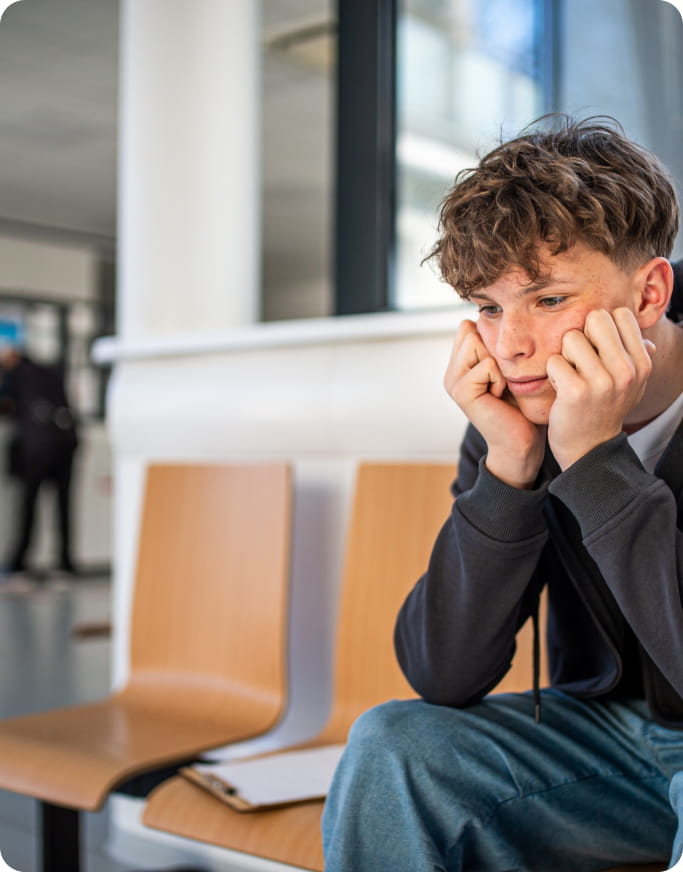

Anxiety Support Starts Here
Anxiety is a daunting mental health challenge, but teens don’t have to manage it alone. With the right support, adolescents can learn to understand their anxiety, reduce its impact, and build confidence in their ability to navigate life’s challenges.
If your teen is struggling with chronic worry, avoidance, or other anxiety symptoms, Teen Tree is here to help in Arizona. Our compassionate team is available to answer your questions, talk through treatment options, and help your family take the next step.